Low Maintenance Water-Wise Gardens in Swakopmund
Why Water-Wise Gardening Matters in Swakopmund
Swakopmund is famous for its foggy mornings, salty air, and sandy soils. While these coastal conditions give the town its charm, they create unique challenges for gardeners. Fresh water is limited and expensive, and sandy soil doesn’t retain moisture or nutrients for long. The fog may bring cool relief, but it doesn’t hydrate the soil or plants. For these reasons, creating low maintenance water-wise gardens in Swakopmund is not just a lifestyle choice, it’s essential for sustainable living. By working with nature rather than against it, you can enjoy a garden that looks good year-round without draining resources or demanding endless effort.
Why Water-Wise Gardening Matters in Swakopmund
Swakopmund is famous for its foggy mornings, salty air, and sandy soils. While these coastal conditions give the town its charm, they create unique challenges for gardeners. Fresh water is limited and expensive, and sandy soil doesn’t retain moisture or nutrients for long. The fog may bring cool relief, but it doesn’t hydrate the soil or plants. For these reasons, creating low maintenance water-wise gardens in Swakopmund is not just a lifestyle choice, it’s essential for sustainable living. By working with nature rather than against it, you can enjoy a garden that looks good year-round without draining resources or demanding endless effort.
1. Choose Indigenous and Adapted Plants
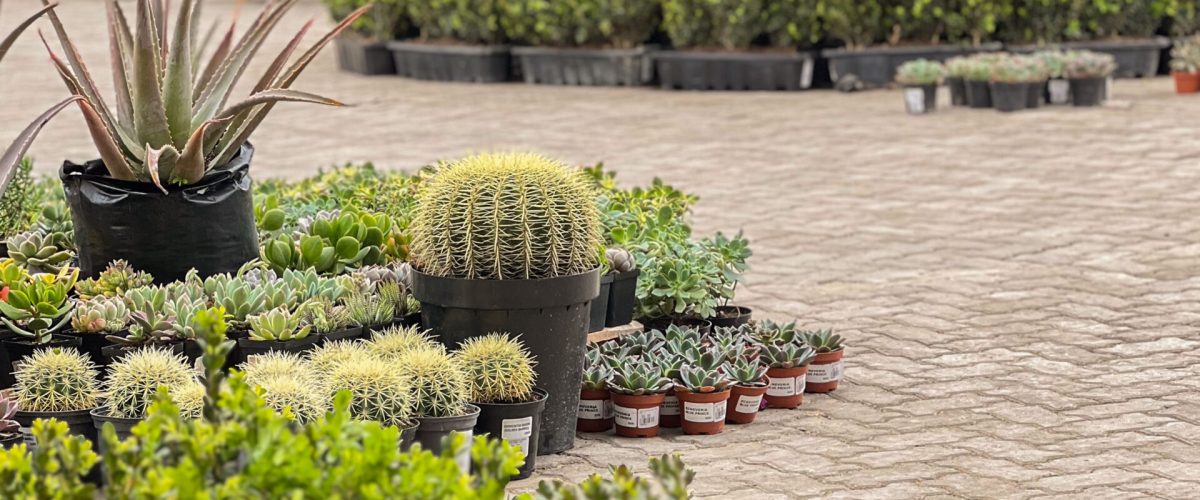
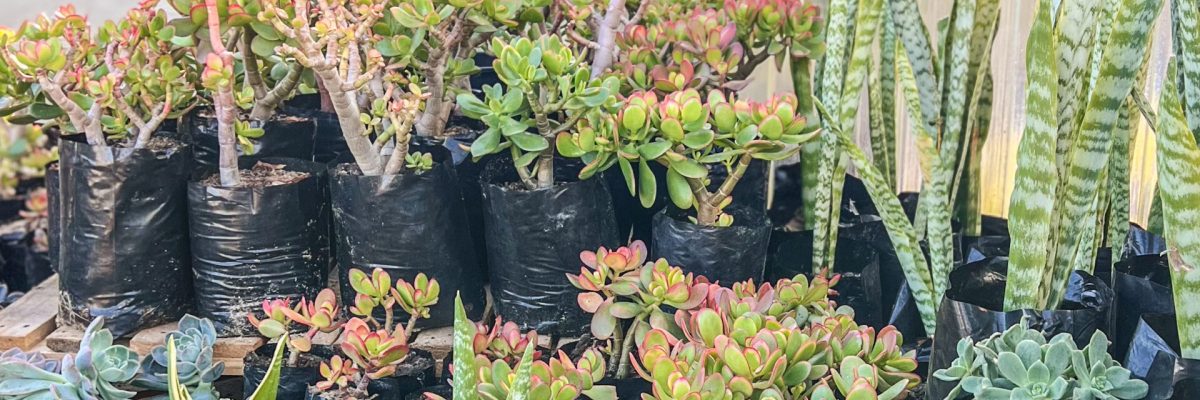
The cornerstone of a water-wise garden is choosing plants that are naturally suited to Namibia’s climate. Indigenous species such as aloe, spekboom (Portulacaria afra), euphorbias, and Crassula ovata (jade plant) thrive in hot, dry conditions while requiring very little care. These plants store water in their leaves or stems, making them ideal for the unpredictable rainfall of the Namib coast.
Adapted species such as oleander, bougainvillea, plumbago, and wild rosemary tolerate both salty air and strong winds, which are common in Swakopmund. They also add vibrant colour and lush greenery without the need for daily watering.
For gardeners who want flowering groundcovers, vygies (mesembryanthemums) are unbeatable. They spread easily in sandy soil, flower profusely in spring, and can handle neglect. By filling your garden with these hardy choices, you create a space that stays green and beautiful with minimal watering and upkeep.
2. Group Plants by Water Needs
One of the simplest ways to save water and reduce effort is to group plants by their water requirements—a method known as hydrozoning. This ensures you’re not wasting water on drought-hardy species or under-watering more delicate plants.
High-water plants like vegetables, herbs, and seasonal flowers should be placed near your house or closest to your water source. This way, they are easy to access and irrigate.
Medium-water plants such as roses, lavender, or certain shrubs can be grouped together in partially sheltered beds.
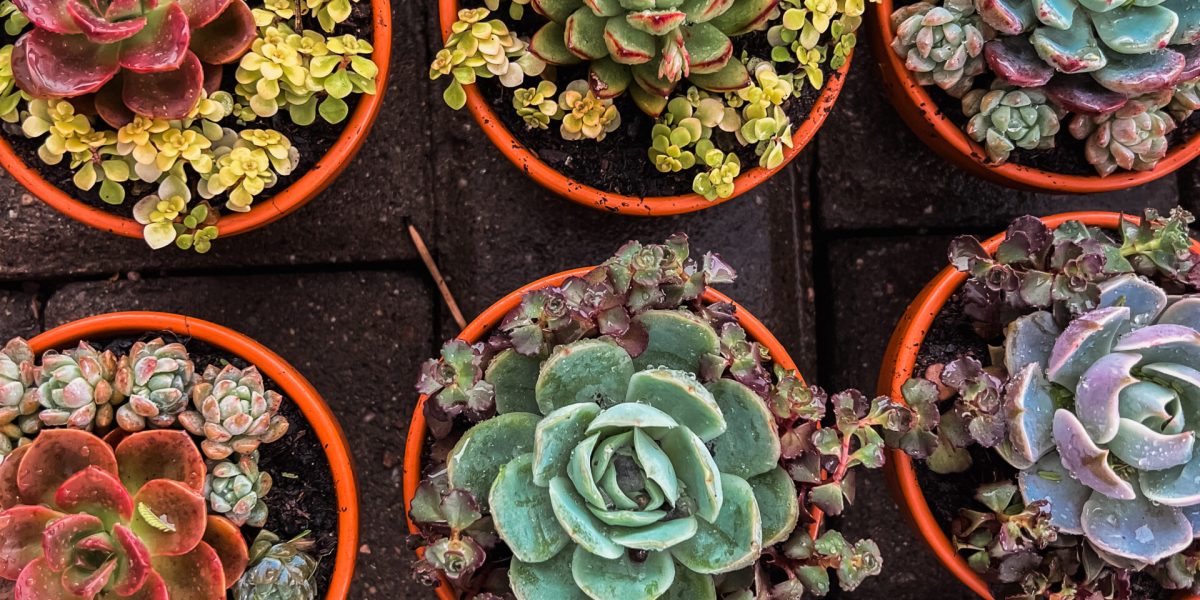
Low-water plants such as succulents, aloes, ornamental grasses, and desert shrubs can be positioned in open areas exposed to sun and wind, where they thrive naturally.
This method is especially effective in Swakopmund, where sandy soils cause water to drain quickly. By hydrozoning, you keep your low maintenance water-wise garden in Swakopmund efficient, organised, and easy to manage.
3. Use Mulch Generously
Swakopmund’s coastal winds and sandy soils can dehydrate the ground almost overnight. Mulching is a simple but powerful solution. A thick layer of bark chips, gravel, crushed shells, or compost insulates the soil, reduces evaporation, and prevents weeds from competing for water.
Mulch also enriches sandy soils, which are naturally low in nutrients. Organic mulch, like composted leaves or bark, slowly breaks down and improves soil quality over time. In Namibia, where resources are scarce, making your own compost from kitchen scraps and garden cuttings is both cost-effective and sustainable.
With regular mulching, you won’t need to water as often, and your plants will stay healthier. This makes mulch a must-have for anyone creating low maintenance water-wise gardens in Swakopmund.
4. Install Smart Irrigation
Watering is one of the biggest challenges in a windy coastal town. Overhead sprinklers waste water because gusts scatter the spray before it reaches the soil. They also increase evaporation, meaning much of your water never reaches the roots.
Instead, choose smart irrigation methods:
Drip irrigation systems deliver water directly to the plant roots where it’s most effective.
Soaker hoses are perfect for vegetable gardens or long flower beds, slowly releasing moisture into the soil.
Water in the early morning or late afternoon to reduce evaporation and allow plants to absorb maximum moisture.
These practices not only conserve water but also cut down your workload. With smart irrigation, your low maintenance water-wise garden in Swakopmund can practically water itself.
5. Design with Hardscaping and Texture
A water-wise garden doesn’t need to be all plants. Hardscaping—using non-plant features like stones, gravel, pavers, and boulders—adds beauty, structure, and texture to your outdoor space. In Swakopmund, where the landscape already has a rugged desert-meets-ocean feel, hardscaping blends naturally into the environment.
Consider creating gravel pathways, stone borders, or decorative pebble beds. These features reduce the size of planted areas, meaning less irrigation is needed. Combine them with drought-hardy plants like succulents, ornamental grasses, and vygies to add contrast and visual interest. The result is a stylish, practical design that withstands coastal winds and requires very little maintenance.
By reducing the amount of lawn or thirsty plants, hardscaping is a smart step toward building low maintenance water-wise gardens in Swakopmund.
6. Harvest and Reuse Every Drop
In Namibia, water is a precious commodity. Making the most of every drop is essential. While Swakopmund doesn’t get much rainfall, collecting what does fall can still make a difference. Install rainwater tanks or barrels to capture roof runoff during showers.
Greywater reuse is another effective solution. Water from showers, baths, or washing machines (using eco-friendly detergents) can be redirected into the garden to irrigate trees and hardy shrubs.
Fog is another unique feature of Swakopmund. While you can’t collect it directly, choosing plants that naturally absorb moisture from fog—like succulents and certain coastal shrubs—means your garden benefits from the environment itself. These strategies make your garden resilient, efficient, and truly sustainable.
Final Thoughts
A beautiful garden in Swakopmund doesn’t have to mean endless watering or hours of care. By choosing indigenous plants, grouping them by water needs, using mulch, installing smart irrigation, and harvesting every drop, you can create a thriving outdoor space that fits perfectly into Namibia’s coastal climate.
 At Natura Garden Centre, we specialise in helping homeowners design and build low maintenance water-wise gardens in Swakopmund. From hardy indigenous plants to irrigation systems and mulching supplies, we provide everything you need to enjoy a sustainable, colourful, and easy-to-manage garden. Visit us today and let’s bring your dream garden to life.
Additional Resources
If you’d like to explore more ideas and advice on creating low maintenance water-wise gardens in Swakopmund, these resources offer excellent guidance: