
Gardening by the Sea: Coastal Gardening Guide for Swakopmund
Gardening in Swakopmund: Thriving Despite Wind, Salt, and Sandy Soils
Gardening in Swakopmund is full of exciting opportunities to get creative with nature. While the coast brings salty breezes, sandy soils, and lively winds, these very conditions open the door to unique, resilient gardens bursting with character. With the right plant choices, a few clever techniques, and a touch of imagination, you can turn any outdoor space into a flourishing seaside sanctuary.
This guide will show you how to work with the coastal climate instead of against it, drawing inspiration from local landscapes, using smart windbreaks, enriching the soil, and planting resilient species that thrive by the ocean. Gardening here is not only possible; it’s rewarding, sustainable, and a chance to create a vibrant retreat right by the sea.
1. Observe and Learn from Your Surroundings
Learning from Local Landscapes
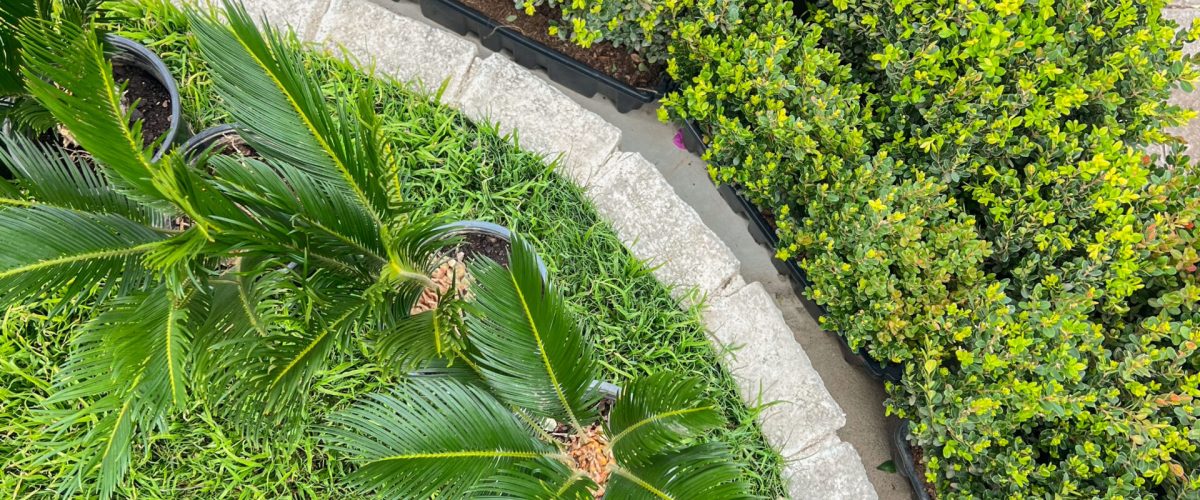
One of the best ways to start is by exploring your own neighborhood. Many successful coastal gardens in Swakopmund are built through trial and error, and local gardeners are often happy to share what works. Simply walking around your area will show you which thrive in sandy soils, salty air, and strong winds, giving you a ready-made shortlist of proven survivors.
Inspiration is everywhere: beachfront plantings along the Mole, public parks, and even guesthouse gardens showcase hardy choices like succulents, palms, and native shrubs. Local inspiration will reveal how indigenous plants like Tamarix, Aloe, and dune grasses cope with extreme conditions. Observing these plantings and learning from neighbours helps you choose species with a track record of success.
2. Craft Smart Windbreaks
Beating the Coastal Winds in Swakopmund
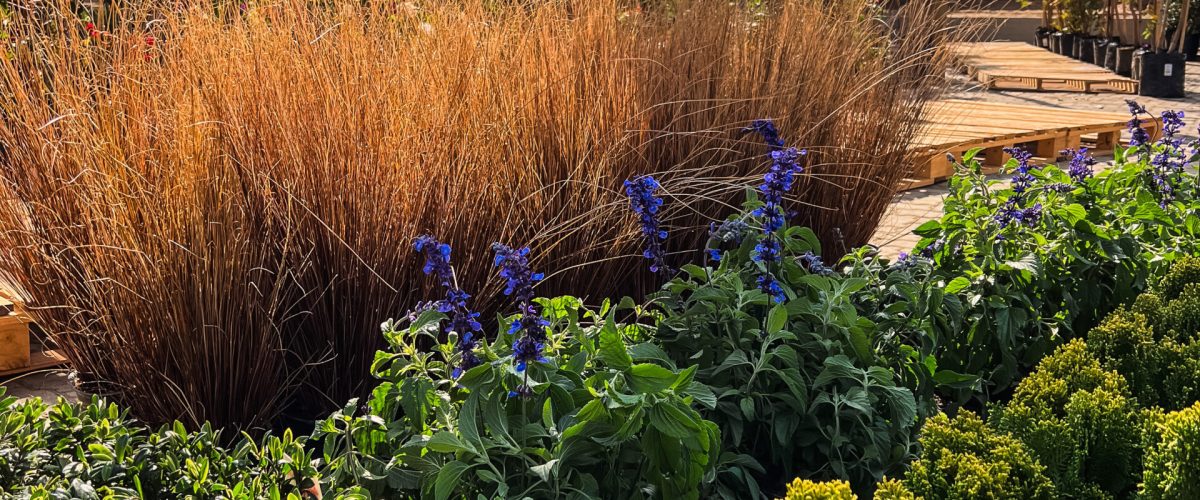
Swakopmund’s coastal winds can be harsh and drying, leaving gardens exposed and plants stressed. Solid walls may seem like the solution, but they often create turbulent eddies that whip over and damage plants even more. A better approach is to filter and slow the wind using semi-permeable barriers like lattice, shade cloth, or layered planting that blends naturally into your garden.
A three-tier planting strategy works best: start with hardy groundcovers such as Carpobrotus edulis (sour fig), Gazania rigens, or Aptenia cordifolia to anchor the soil and cut wind at ground level. Follow with medium shrubs like Pelargonium sidoides, Plumbago auriculata, and Leonotis leonurus to diffuse wind through the middle canopy. Finally, use taller shrubs or small trees such as Dodonaea viscosa, Wild Olive (Olea europaea africana), or Euclea racemosa to redirect stronger gusts higher up and provide long-term shelter.
By staggering these layers rather than planting in straight lines, you create a gentle buffer that reduces wind without blocking views. Add mulch to retain soil moisture, and combine plants with lattice or pergolas for extra protection. Once established, these windbreaks create calmer garden zones where delicate flowers, herbs, and vegetables can thrive – transforming your coastal garden into a resilient, thriving oasis.
3. Choose Groundcovers to Anchor and Soften
Groundcovers for Coastal Resilience
Groundcovers are essential in coastal gardens; they stabilise sandy soils, reduce erosion, and keep the ground cooler while naturally suppressing weeds. In Swakopmund’s exposed conditions, it’s best to plant them closer together than usual so they establish quickly and form a living carpet of protection.
Great choices include Geranium incanum (Carpet Geranium), with its silver-green foliage and spreading habit that works beautifully for edging or soil retention. Another favourite is Dymondia margaretae (Dymondia), which forms dense, silvery mats sprinkled with cheerful yellow daisy-like blooms. Tough, drought-tolerant, and salt-resistant, it’s excellent between paving stones, in rock gardens, or anywhere you need a low-maintenance filler.
By mixing these resilient groundcovers, you not only soften the look of your garden but also create a durable foundation that helps all your other plants thrive in Swakopmund’s coastal climate.
4. Feature Resilient Statement Plants
Bold focal points that thrive in wind and salty air
Every coastal garden needs a few bold, hardy plants that bring structure and character. These statement species withstand wind and salt spray while adding drama and form.
Consider the Dune Aloe (Aloe thraskii), a striking succulent that grows 2–4 m tall with sculptural leaves and towering yellow-orange flower spikes. Its deep roots help anchor sandy soil, making it both practical and beautiful. Pair it with Coastal Rosemary (Westringia fruticosa), a salt- and wind-tolerant shrub that works as a low hedge, screen, or container plant. Its evergreen foliage and soft flowers attract pollinators and soften the harshness of exposed spaces.
Together, these plants serve as living sculptures—resilient focal points that thrive where more delicate species struggle.
5. Enrich and Structure Sandy Soils
Turn Swakopmund’s poor sand into fertile ground.
Swakopmund’s soils are often sandy, fast-draining, and low in nutrients. To succeed, gardeners must build soil health and structure. Compost is your best ally; whether homemade or vermicompost from kitchen scraps, it adds organic matter, feeds microbes, and improves water retention.
Regular mulching with garden trimmings, bark, or straw further reduces evaporation and slowly releases nutrients. For vegetables and herbs, raised beds or large containers give you more control over soil quality, watering, and fertility.
By layering these practices – compost, mulch, and raised growing areas – you can transform poor coastal sand into a fertile foundation that supports long-term plant health.
5. Grow Fresh Vegetables with Coastal Adaptations
Smart setups for a steady seaside harvest.
Food gardening on the coast is not only possible; it can be highly rewarding with the right setup. Greenhouses or shade-net tunnels shield crops from wind, regulate temperature, and extend growing seasons. Raised beds with drip irrigation reduce water loss and keep soil consistently moist without waste.
Swakopmund’s own urban gardening initiatives show what’s possible: vegetables like lettuce, spinach, herbs, and tomatoes thrive under protected, well-planned systems. Even small spaces can be productive when designed with wind, water, and soil in mind.
With a little planning, you can enjoy a steady harvest of fresh, homegrown produce right by the sea.
6. Bonus Tips for Thriving Coastal Gardens
Simple design choices for beauty, ease, and resilience.
roup plants with similar needs to simplify watering and maintenance.
Use gravel, pebbles, or shells for paths to reduce sand drift and anchor your design.
Favor local or adapted species—they need less care and support local wildlife.
Repeat textures and colors for visual unity, tying your design together naturally.
These finishing touches bring structure, ease, and beauty to your Swakopmund garden, ensuring it thrives in harmony with the coastal environment.
Additional Resources for Coastal Gardening Advice
For more tips and inspiration on gardening in coastal environments, explore these helpful guides: