
Best Coastal Shrubs for Privacy and Windbreaks
Coastal living is beautiful, but the constant wind and exposure can make your garden feel harsh and open. The solution? Planting coastal shrubs for windbreaks. These hardy plants create natural screens, protect your garden from salt spray, reduce wind damage, and add year-round greenery. Whether you want more privacy or a softer microclimate, these shrubs will transform your space into a seaside sanctuary.
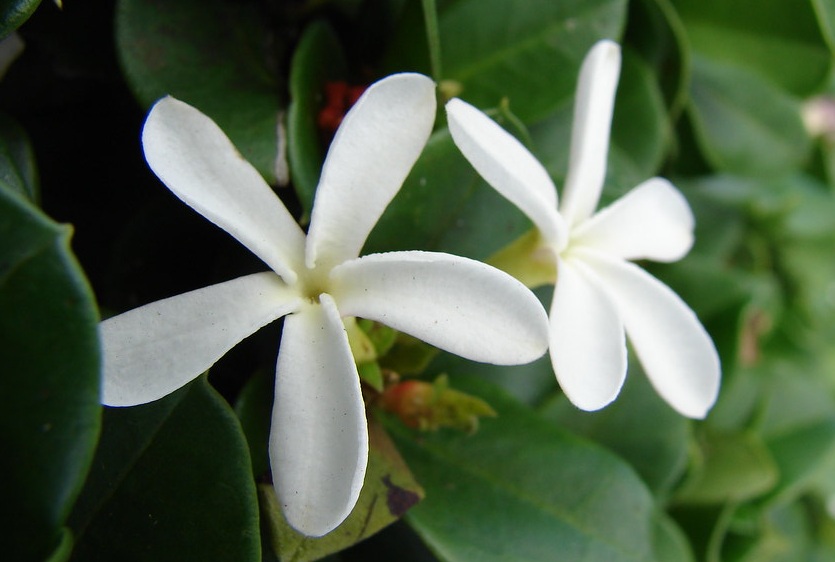
Carissa macrocarpa – Natal Plum
Carissa macrocarpa is an evergreen shrub with glossy leaves, fragrant starry flowers, and edible red fruits. It’s tough enough to handle coastal conditions and perfect for a low hedge.
Why it’s a top choice: Salt-tolerant, drought-resistant, and spiky enough to keep unwanted visitors out.
Care Tip: Plant in full sun, prune to shape, and water deeply every 7–10 days once established.
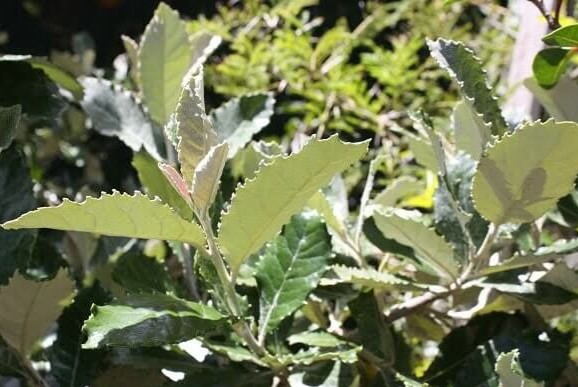
Brachylaena discolor – Coast Silver Oak
Brachylaena discolor grows quickly into a dense screen, with silvery leaves that shimmer in the sunlight.
Why it’s a top choice: This indigenous shrub/tree is naturally wind-hardy, making it one of the best coastal shrubs for windbreaks.
Care Tip: Prune lightly once or twice a year to encourage bushy growth and keep your windbreak dense.
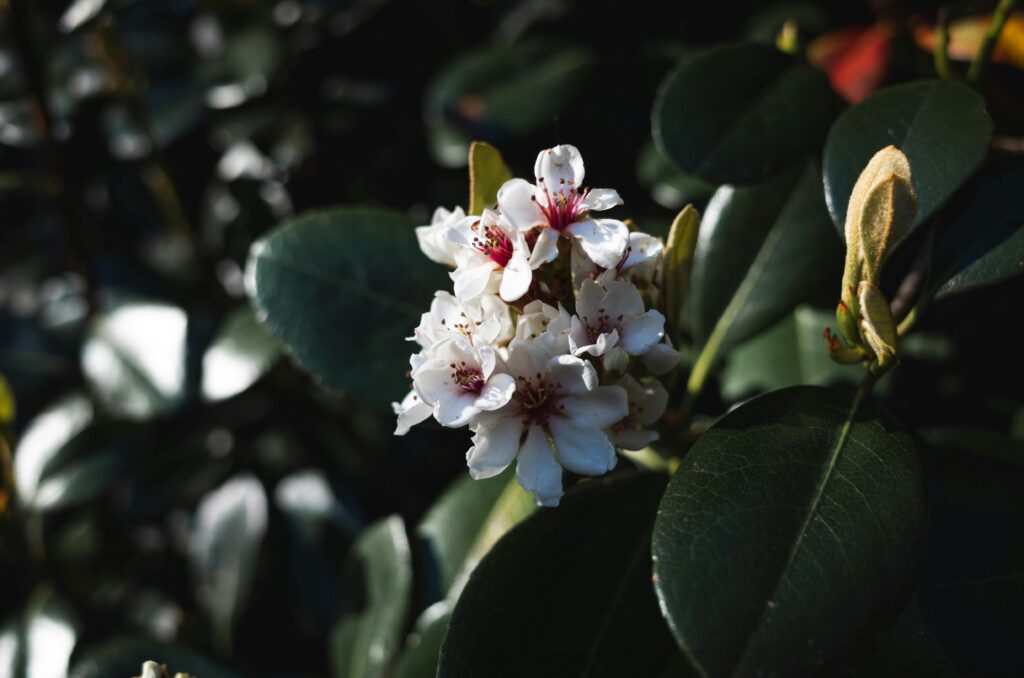
Rhaphiolepis umbellata – Indian Hawthorn
Rhaphiolepis umbellata is a neat, compact evergreen shrub with leathery leaves and clusters of white or pink flowers.
Why it’s a top choice: Its dense foliage is excellent for forming medium-height screens, and it thrives in sandy, well-drained soil.
Care Tip: Water regularly until established, then reduce to occasional deep watering.
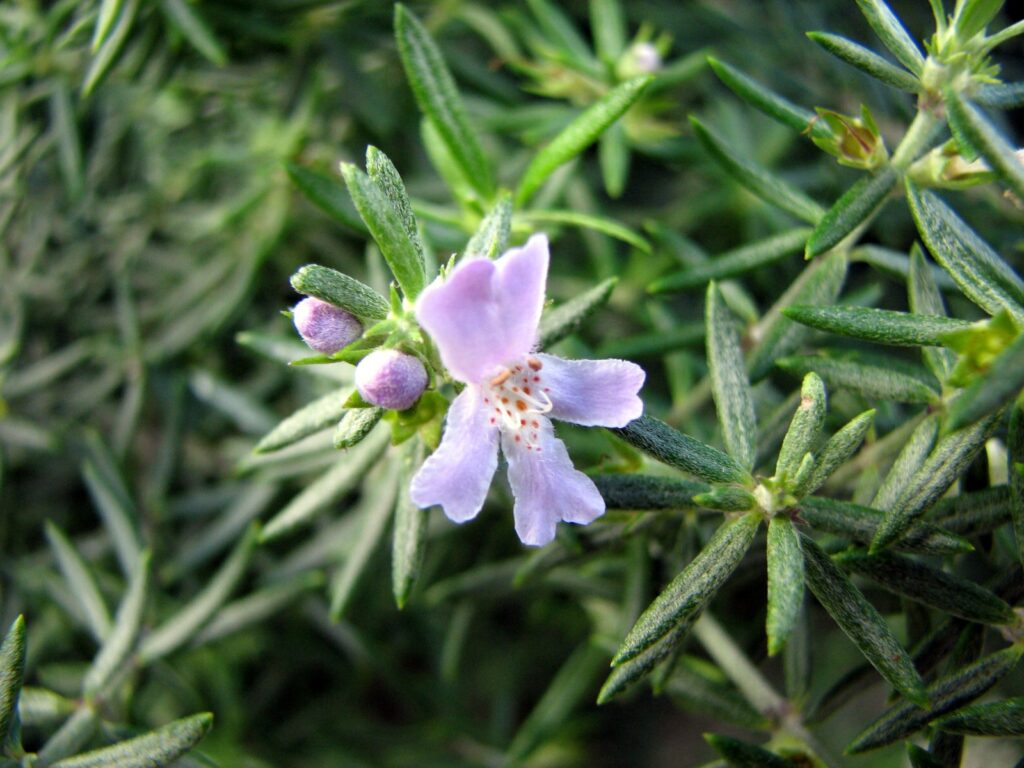
Westringia fruticosa – Coastal Rosemary
Westringia fruticosa is a tough, grey-green shrub that thrives where other plants struggle.
Why it’s a top choice: Excellent for clipped hedges or natural screens, this plant is a staple among coastal shrubs for windbreaks.
Care Tip: Clip lightly 3–4 times a year to maintain a neat shape or leave it natural for a more relaxed look.
Lavatera – Fast-Growing Coastal Shrub
Lavatera is a vigorous, fast-growing shrub that produces masses of pink blooms from spring through summer. It helps create natural wind protection for smaller, more delicate plants, making it a great backbone choice among coastal plants for windy gardens.
Care Tip: Prune lightly after flowering to keep its shape and encourage fresh growth. Provide mulch around the base to help retain moisture in sandy coastal soil.
Extra Tips for Coastal Gardening Success
Mulch: Apply a generous layer of compost or bark mulch around all your plants to help retain moisture and protect roots from temperature fluctuations.
Windbreaks: Combine shrubs like Carissa, Abelia, or even trellised climbers to form natural wind barriers.
Watering: Water early in the morning to minimize evaporation and prevent fungal issues. Deep, infrequent watering encourages stronger root systems that can handle coastal stress better.
Shop Coastal Plants at Natura Garden Centre
Ready to transform your space with coastal plants for windy gardens? Visit Natura Garden Centre to explore our range of coastal-friendly plants, soil improvers, and mulches — and get expert advice to help your seaside garden flourish.
Extra Tips for Creating Effective Coastal Windbreaks
Layered Planting: Combine tall and medium shrubs to create a multi-layered effect that slows down wind instead of blocking it completely.
Spacing: Plant shrubs closely enough to form a solid barrier but leave room for growth — about 50–100cm apart depending on species.
Mulching: Add compost or bark mulch around the base to retain moisture and improve sandy coastal soils.
Visit Natura Garden Centre for Coastal Shrubs
Looking to create a sheltered garden oasis? Natura Garden Centre stocks many of these coastal shrubs for windbreaks, along with compost, mulch, and expert advice to help you plant the perfect living windbreak.