
How to Improve Sandy Coastal Soil for a Thriving Garden
Many coastal gardens struggle because the soil is too sandy, drains too quickly, and lacks nutrients. The result? Plants wilt, growth is stunted, and your garden needs constant watering. The good news is you can improve sandy coastal soil and create the perfect environment for lush, healthy plants with a few simple steps.
Step 1: Add Plenty of Organic Matter
Sandy soil is low in organic material, which means it does not hold water or nutrients well. The first step to improve sandy coastal soil is to work in generous amounts of organic matter such as:
Compost – improves soil structure, boosts beneficial microbes, and provides slow-release nutrients.
Well-rotted manure – adds fertility, supports strong plant growth, and improves soil texture.
Bark humus – increases water-holding capacity and helps bind loose sand.
Spread a 5–10 cm layer over the surface and dig it into the top 20–30 cm of soil before planting. In established beds, use it as a top dressing and allow worms and natural processes to incorporate it into the soil.
Step 2: Mulch to Lock in Moisture
A thick layer of mulch is one of the most effective ways to help sandy soil hold water longer and protect roots from the heat. Good mulch options for coastal gardens include:
Bark chips
Pine needles
Organic straw
Mulch also suppresses weeds, which compete with plants for moisture and nutrients, and gradually breaks down to add more organic matter back into the soil. Aim for a layer at least 5 cm thick and top it up every season.
Step 3: Use Soil Conditioners
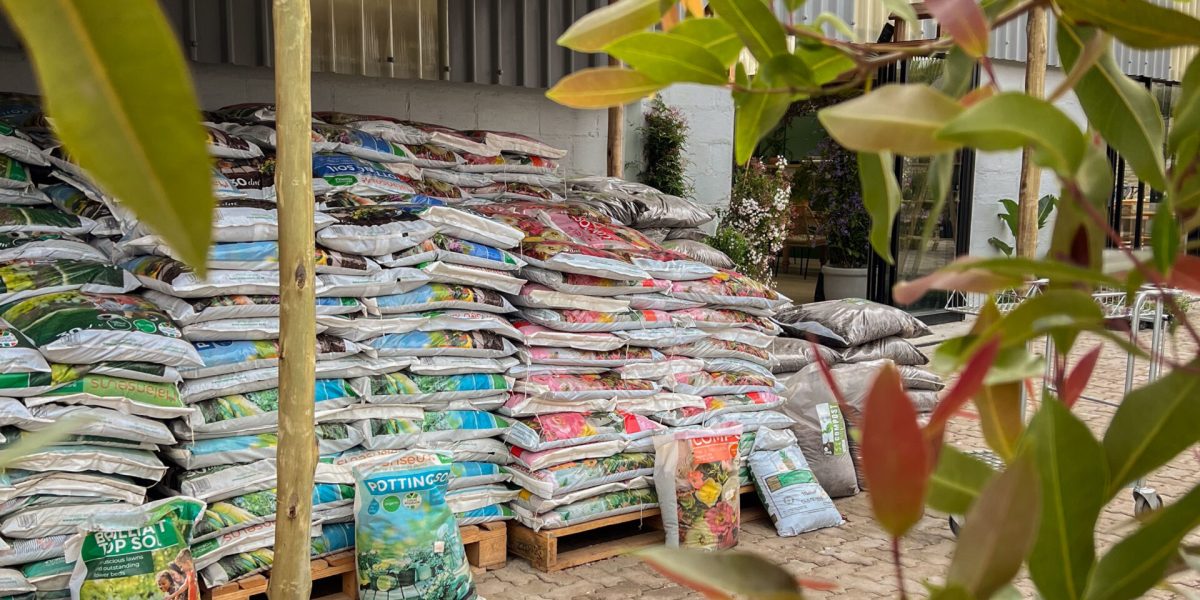
Sometimes sandy soil also suffers from nutrient leaching and poor structure. Various products can be used to improve soil texture and encourage good microbial activity. If your soil is too acidic, add lime based products to balance the pH and make nutrients more available to plants. Natura Garden Centre stocks a range of soil improvers and conditioners to make this process easier.
Step 4: Feed Your Soil Regularly
Healthy soil grows healthy plants. Instead of only feeding plants, focus on feeding the soil:
Kraal manure pellets for a slow, steady nutrient release
Seaweed extracts to stimulate root growth and beneficial microbes
Worm castings and vermicompost to improve soil structure and provide rich nutrition
This approach builds long-term soil health, reduces your fertiliser needs over time, and makes your garden more resilient.
Step 5: Water Smart
Sandy soil drains quickly, so water deeply and less frequently to encourage deep root growth. Installing drip irrigation or using soaker hoses is ideal as they deliver water slowly and directly to the root zone, reducing evaporation and saving water.
Step 6: Plant a Green Manure Crop
In empty beds, sow cover crops such as oats, lupins, or mustard. These “green manures” improve soil structure, add nitrogen, and protect bare soil from wind erosion. Once they flower, cut them down and dig them into the soil to add organic matter naturally.
Extra Tip: Wind Protection
Even after you improve sandy coastal soil, strong coastal winds can dry it out quickly. Plant a living windbreak using shrubs such as Brachylaena discolor or Westringia fruticosa to create a more sheltered microclimate, slow down wind, and protect your garden’s moisture levels.
Visit Natura Garden Centre for Soil Solutions
Whether you need compost, mulch, soil conditioners, or expert advice, Natura Garden Centre has everything you need to improve sandy coastal soil and grow a thriving garden. Visit us this weekend and talk to our team about the best products for your space.